While not every ache requires ER visit, not every pain is "no big deal, it's just dance" either.
Some dancers go years experiencing pain without ever knowing how much damage is actually being done to their bodies.
The beauty and the curse of our strong and delicate bodies is that they heal on their own. So when there's an injury, it inevitably heals, and the pain/discomfort level changes.
This gives our dancer a false sense of understanding that it was 'no big deal' and that these pains and aches are 'normal' in dance.
But what if I told you that this approach is a 100% sure path to injury?
I recently worked with a dance mom who initially reached out to me for help with fractures her dancer had recently sustained.
A month later, we found out that her dancer also had long-standing hip injuries. She didn't tell her mom. And after being in a boot for over a month, her hip pain became unbearable.
Imaging showed she's had the kind of injury that many dancers with hypermobility end up having.
In fact, that hip instability, combined with other factors, could have actually played a pivotal role in the dancer's ultimate foot fractures.
Everything in our body is connected!
Even neck pain can affect the dancer's toes!
When our dancers understand this connection and learn to truly listen to their bodies (rather than hide their injuries), they can begin to avoid the majority of these injuries!
Now, I'm not saying that all injuries are 100% avoidable. Dance is a sport, and as in any sport, there are some true accidents.
What dancers can 100% do, however, is to prevent those avoidable ones by:
- Recognizing different body signals: pain vs ache
- NOT dancing through pain at rehearsals/classes
- NOT self-treating with just ice and rest at home while still doing 15-30 hours of physical training at the studio
Hey, there's no shame here if you and your dancer have been doing it backward! The dance culture is notorious for minimizing injuries and pain, and encouraging quick fixes.
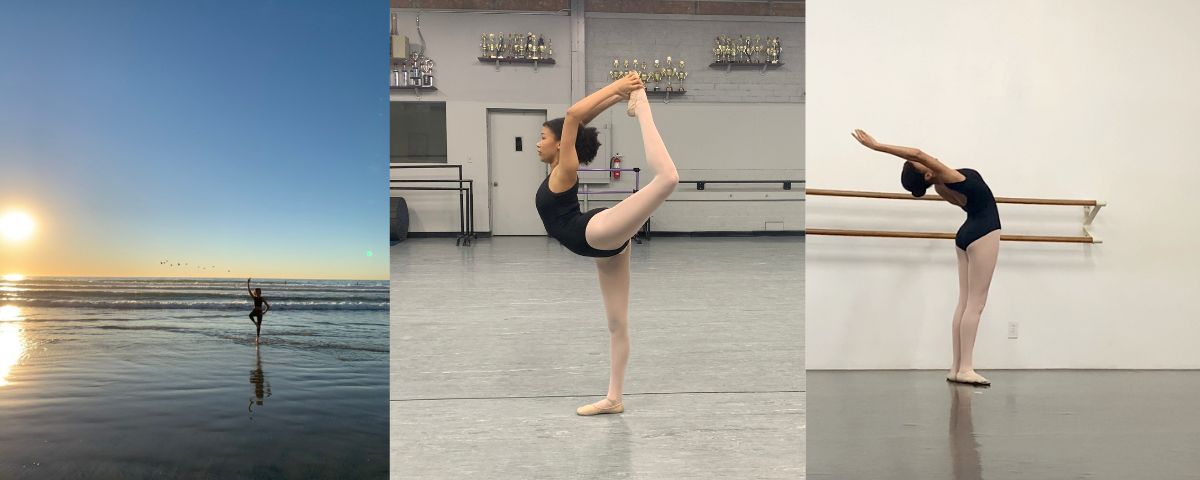
So let's talk about dance culture and pain.
We'll get into toxic studios in our future newsletters, but for now, let's focus on the overall picture.
Every professional dancer and most dance moms of pre-professional dancers believe that pain is part of dance training.
No pain, no gain culture of athletics.
In fact, this belief is so pervasive that if you believe otherwise, you're considered not serious enough to call yourself a professional (or pre-professional) dancer.
This literally means the dancer is not pushing themselves beyond limits and therefore is not able to grow, perfect, and perform at the expected levels.
Wait. WHAT?!
Since when did we begin accepting that suffering and pain are normal, especially for kids?
You may think this is extreme if you're a new dance parent, but hear me out.
I've been to many studios, from world-renowned to tiny town middle-of-the-field ones, and the culture remains the same.
- I've witnessed some studio teachers belittle kids with constant injuries and refuse to let them sit out.
- I've also seen teachers who watch kids who have recently returned from injuries and do not allow them to go beyond what is reasonable.
- And I've seen dancers and dance parents themselves say 'it's just normal to have these injuries, and if we don't 'push' through them, we'll lose the spot/role/respect.
The attitude of injuries being the norm, pain being part of the 'gain', and kids being trained not to consider their body's warning signs is still the pervasive culture.
The truth is that NO pain is normal.
It is the message that the body sends that says:
'Pay attention!'
Even the aches after a workout or an activity give us information -lactic acid buildup and possibly more. This allows us to either let it get better on its own or help the process along.
Most of the time, aches are harmless and give dancers information about where they may need to work more.
When it comes to actual pain, however, just leaving it without understanding the cause is truly playing with fire.
That is because pain has different causes that nearly always involve inflammation.
Chronic pain = chronic inflammation =
= chronic destruction of the tissue =
= tissue damage = instability of the area =
=injuries!
This is true even if that pain is not so bothersome at first.
This is how my own dancer fell into that 'pain is normal' culture trap. She felt some discomfort and pain in her knees for 2 years.
She even joked with another dancer friend that once someone starts to dance, knee pain is just part of life.
Fast-forward to an intense summer program, increased pain, increased discomfort, tears, an MRI, and a diagnosis of a torn meniscus -
-An injury that took her out for a few months, kept her out of a high-end program, and nearly caused her to have a potentially life-altering surgery.
The truth? She could have avoided this outcome if she had taken care of the pain the second it appeared. Imaging, PT, supplements, etc., while still training lightly, could have easily been the path.
Sadly, these stories are not unique.
You've heard about Misty Copeland getting hip replacement surgery. She is so young and getting a surgery that even our 68-year-old grandma has been able to avoid, which tells you something about the "no pain, no gain" concept in dance and its side effects.
So HOW do we change this culture?
One dancer. One family.
One studio at a time.
- Teaching your dancer from early on to listen to their bodies FIRST.
- Teach your dancer to give you a rundown of how they're feeling each time after class -physically AND mentally.
- Have an 'action plan' in place, so your dancer knows exactly what to do in case of certain pain situations.
- TRUST yourself and teach your dancer to trust themselves first.
- Remember and remind your dancer that listening to their body and putting their wellbeing first is more important than someone's opinion, the pervasive culture, or even that coveted role/summer intensive.
Here's WHY these matter.
- Early training on listening to the dancer's body teaches the kid's brain to recognize patterns and red flags that their body experiences faster and better over time. It really IS a skill!
- Giving you a recap of their body and mind status is a way to practice mindfulness of their body and day's experience. This helps to truly be present and actually notice those positive and negative experiences.
- It is important to trust ourselves because only we truly know what is going on.
- The dance teacher and even the doctor are not in our bodies and cannot fully understand the experience, the symptoms, and what actually took place before/during/after the pain.
- This means no one is a better authority on whether your dancer should sit out or not than your dancer! And no one is a better authority than YOU, dance mom, to decide whether something is serious enough to pursue an answer to because you've been following the issue with your dancer at the deepest level.
- Roles, opportunities, and programs will always be there. But we only have ONE body this ONE lifetime. If the body is not well, those roles and opportunities do not matter because they are inaccessible anyway!
Do This Week:
- It is never too late to start! So start checking in with your dancer on how their training is going. Change up the questions to dig deeper, and so they don't tune you out next time ;)
- If you can, observe a class -notice any discomfort and the level of activity of your dancer. If you notice anything, follow your intuition and ask them about it!
- Talk to your dancer about the concept "no pain, no gain" for athletes, for school, other places in life, and ultimately in dance. Note the disconnect with logic, and ask what 'gain' is expected from the 'pain' and why that may be an unhelpful way of thinking about training.
- If your dancer IS experiencing any pain that they didn't tell you about, trust your gut and follow through, even if they insist 'it's nothing.'
And as always...
...if you have any follow-up questions, send me a DM on Instagram or email me your takeaways, questions, or concerns. I'll review them and give you my thoughts on what your next step could be.
To your dancer's imminent health and success!
team@thrivingdancers.com
Dance Mom: Welcome to Thriving Dancers World! If you received this email as a forward from another mom and found it helpful, please sign up HERE so you won't miss out on future updates from us. You never know, something in our newsletter might have the power to transform your dancer's dreams for the better!