Every dancer experiences doubt at one point in their dance journey. For some, this doubt grows, and for others, it dissolves.
Let's face it, we hear it and fear it: "My dancer quit."
We watch our dancers work their boots off day in and day out. Past injuries, past burnout, past missed birthday parties, past life. And then they quit. WHAT? All that sacrifice for nothing?
But what if I told you that quitting is one of the best coherence exercises there could ever be?
Hear me out, it may not sound like an intuitive reframe, but this is what came to me, and I just have to share this concept with you.
If you're familiar with any work on 'manifestation,' which has been the craze for the past decade at least, you would've heard this phrase:
If you want to have it, you must BE it first.
Meaning, if you want something in your life, you must embody the person who already has it.
In dance, it means: if you want to be a professional dancer, act and be that professional dancer NOW. Practice, perform, pay attention, train, like a professional dancer.
Sounds easy enough, but just as everything else, nothing is easy in the dance industry because, well, it is an industry whether we like it or not.
The truth is that most professional dancers have a lot more respect, trust, and support than pre-professional dancers and their families.
And most importantly, the environment they operate in supports their 'persona' of a professional dancer.
The road for most pre-pro dancers is paved with constant pressure, put-downs, disappointments, shaming, pain, a toxic studio environment, poor self-care, burnout, and all of this in the context of academic responsibilities, pressures, and requirements.
Putting on a 'professional dancer' persona is also much more challenging for dancers who don't attend year-round programs such as Joffrey's Trainee Program, Vaganova, or Royal Ballet, where students live and breathe dance.
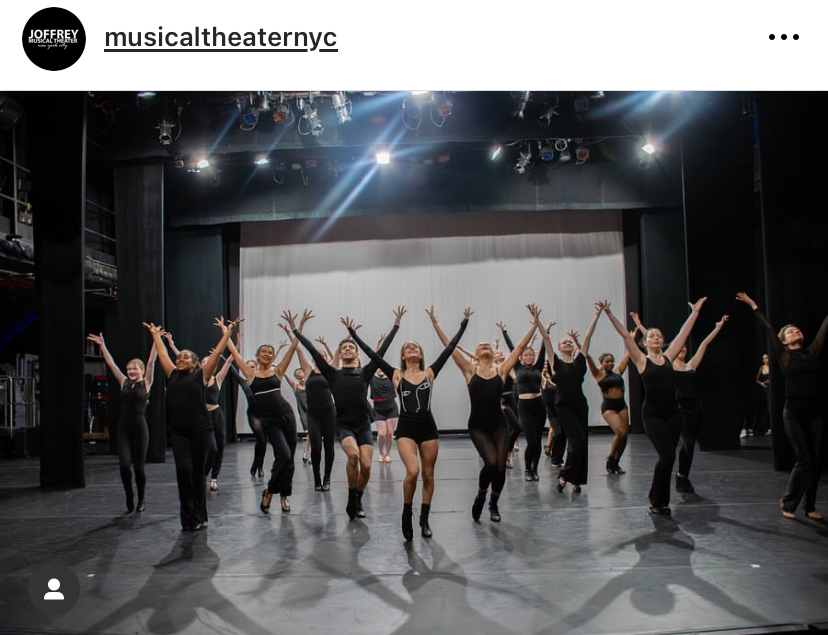
If the messages at the studio are "you're never going to be good enough," body-shaming, and constant push for dancers to have no outside life besides dance, they chip away at another piece of that dream each time a negative comment is made (we're not talking about constructive, helpful corrections).
Yet, there ARE dancers who sustain all the terrible environment and put-downs and still become the professional dancer they dreamed of being since they were little.
So what breaks one and pushes another?
Watching my own dancer go through phases of 'dance is everything, and I'm going to Juilliard,' then 'shut down and lose the persona,' then 'gain it back' gave me a lot of insight.
From a neuroscience and energy perspective, these ups and downs represent the inner workings of a person with a dream that is building that identity -not just a desire, and in the end, either their soul or their environment wins.
What determines whether the soul or the environment wins?
I mentioned 'coherence' at the beginning. Let me explain it more.
Coherence is when our brain, heart, and soul are all working together in balance. It is the alignment with your true self and reality.
When I said that quitting can be the best coherence exercise, what I meant was: When our dancer quits, they get to remove the environment, and all that feeds their insecurities. This way, they can finally experience their feelings freely.

Not to say they were not "allowed" to feel before, but the requirement to hold it all together and even the sheer lack of time to be with one's thoughts or experience life fully are quite limited for pre-pro dancers.
But your dancer doesn't have to quit to know themselves better.
Simply taking a break during the summer, for example, can provide some of this feedback that your dancer needs.
And sometimes, taking classes at another studio with a completely different atmosphere can bring new perspectives.
When your dancer experiences new perspectives, their world expands, and they either get closer to their true self alignment or see themselves moving further away.
Here are the three main things that truly matter in this questioning phase:
- Does this activity give me life or drain me?
- When I'm in a new environment doing the same activity, is that feeling still the same, or does it change for better/worse?
- Do I feel like myself when I do this activity, or do I feel like I have to wear a mask?
Often, neither our dancers nor we like to ask these tough questions because we don't want to hear the answers we don't want to hear.
But these are essential questions of discernment, self-understanding! You can avoid them for some of the time, but you can't avoid them for your whole life.
And in the end, it is better to find out sooner than later. At 13 instead of 60.
What is also essential for us, dance moms, is to recognize that we don't have authority over our kids' dreams. We're only here to guide them to & through their dreams.
Pushing them through, just because they're good at it, will only backfire in the end. Just like pushing them toward a specific career that we personally decide is a reasonable thing to do, is going to backfire.
I say this only because I've been coaching adults since 2018 and have attended many conventions and training sessions. I can tell you that I have never met anyone who is unhappier when they're not in alignment with their true self.
Most of the stories are "I did what my parents thought was a logical thing to do" or "I was good at this, so I just continued on because my parents invested so much time and money into the process, so I didn't want to let them down."
The sad part about this is that many of these adults were well into their 50s and even older, and they felt like they spent most of their lives being unhappy, in a mask.
Yet, we know that one of the utmost desires for us moms is to see our children be truly happy, in addition to success.
But if I told you that when one is happy, success always follows. We don't believe it, but I've been seeing it more and more in adults and kids alike.
When dancers reconnect with that absolute love for dance and enjoy their training and performance, they get recognized and seen a lot more than those who grind grudgingly through pain.
Do This Week:
- Observe your dancer for any changes in their mood before and after classes.
- If your dancer seems off, gently inquire whether something has changed for them in dance.
- And if your dancer is in that decision-making phase, help them to ask the self-inquiry questions we talked about above.
- And the most important task for this week is to be open to any decision that may show up.
And as always...
...if you have any follow-up questions, send me a DM on Instagram or email me your takeaways, questions, or concerns. I'll review them and give you my thoughts on what your next step could be.
team@thrivingdancers.com
Dance Mom: Welcome to Thriving Dancers World! If you received this email as a forward from another mom and found it helpful, please sign up HERE so you won't miss out on future updates from us. You never know, something in our newsletter might have the power to transform your dancer's dreams for the better!